The modern landscape of digital entertainment has undergone a massive transformation, shifting from physical cabinets in neon-lit halls to the seamless, high-definition experiences found on smartphones and desktops. At the heart of this evolution lies a deep-seated appreciation for the classics, specifically the imagery and mechanics associated with Lucky77 and the timeless slot 777 architecture. These terms represent more than just games; they signify a bridge between the vintage era of mechanical gears and the sophisticated algorithms of the contemporary gaming world. Understanding why these specific configurations continue to dominate the market requires a look into psychology, design, and the mathematical foundations that make them so engaging.
The Cultural Significance of the Lucky77 Aesthetic
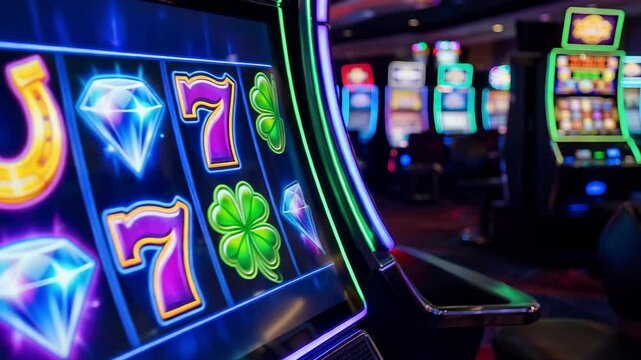
The number seven has long held a mystical place in human consciousness, often associated with luck, perfection, and divinity across various cultures. When translated into the world of gaming, Lucky77 becomes a powerful symbol of peak performance and the ultimate goal. This triple-digit alignment is ingrained in the collective memory of players as the “jackpot” standard. In the digital age, developers have leaned into this nostalgia, using the familiar crimson sevens and golden accents to create a sense of trust and reliability. While newer games may feature complex 3D characters and cinematic storylines, the simplicity of a “77” or “777” visual provides a grounded experience that resonates with both veteran enthusiasts and newcomers seeking a straightforward thrill.
Decoding the Mechanics of Slot 777 Architecture
When we discuss slot 777, we are often referring to the traditional three-reel or five-reel layout that prioritizes high volatility and clear paylines. Unlike modern “megaways” or cluster-pay systems that can feel chaotic, the 777 structure offers a transparent view of how wins are calculated. The core of these games relies on a Random Number Generator (RNG), a sophisticated piece of software that ensures every spin is independent of the last. This mathematical integrity is what allows the “777” experience to remain fair while maintaining the high-stakes tension that fans crave. The layout typically features recognizable symbols like cherries, bells, and bars, which act as a visual shorthand for different payout tiers, making the gameplay intuitive without the need for extensive tutorials.
The Evolution from Mechanical Reels to Virtual Lucky77 Experiences
The journey from the “Liberty Bell”—the first mechanical slot machine—to the modern Lucky77 mobile application is a testament to technological progress. Early machines relied on physical stoppers and metal plates to determine outcomes, which limited the size of the jackpots. Today, the virtual transition has removed these physical constraints. Modern versions of slot 777 utilize high-level encryption and cloud computing to offer progressive jackpots that can grow to life-changing amounts. Despite these high-tech backends, the “feel” of the game remains consistent. Developers spend thousands of hours perfecting the sound of a spinning reel and the haptic feedback of a virtual lever pull, ensuring that the digital Lucky77 experience mimics the sensory satisfaction of a physical casino floor.
Psychology and the Thrill of the Triple Seven Jackpot
Why does the sight of a slot 777 alignment trigger such a strong physical response? Psychologists point to the concept of “variable ratio reinforcement.” Because the rewards in these games are delivered on an unpredictable schedule, the brain’s reward center releases dopamine not just when a win occurs, but in the moments leading up to it. The Lucky77 motif acts as a visual trigger for this anticipation. The “near-miss” phenomenon—where two sevens land and the third sits just off the payline—is also a calculated part of the design. It creates a sense of “so close” that encourages continued engagement. By focusing on the 777 theme, creators tap into a universal language of excitement that transcends borders and demographics.
Volatility and Return to Player in 777 Themed Games
For the analytical player, the appeal of Lucky77 and slot 777 often comes down to the balance between Volatility and Return to Player (RTP) percentages. Classic-style slots often lean toward high volatility, meaning wins may be less frequent but are significantly larger when they occur. This high-risk, high-reward environment is exactly what the “777” branding promises. Most reputable digital versions of these games maintain an RTP between 94% and 97%, ensuring that while the house maintains an edge, the player has a statistically fair chance of seeing a return over a long period of play. This mathematical transparency is a cornerstone of why these specific titles remain at the top of the charts in an increasingly crowded market.
The Global Reach of Lucky77 Digital Platforms
The internet has democratized access to the Lucky77 experience, allowing users from different continents to engage with the same software simultaneously. This globalization has led to the rise of massive online communities where strategies, “big win” screenshots, and reviews of various slot 777 iterations are shared. The branding has become so ubiquitous that “777” is now a shorthand for quality in the gaming industry. Whether a player is in a bustling metropolis or a quiet rural area, the golden sevens represent a standardized level of entertainment that is accessible via any 5G or Wi-Fi connection. This ubiquity has solidified the status of these games as the “gold standard” of the digital era.
Innovation within the Traditional Slot 777 Framework
It is a misconception that Lucky77 games are stagnant or old-fashioned. On the contrary, the “777” framework is a playground for innovation. Modern developers are integrating elements like “Hold and Spin” mechanics, cascading reels, and interactive bonus rounds into the classic three-seven aesthetic. This hybrid approach allows for the best of both worlds: the nostalgic comfort of the slot 777 look paired with the engaging, multi-layered gameplay of a modern video game. By layering these features, developers keep the experience fresh, ensuring that the Lucky77 brand continues to evolve and capture the imagination of a new generation of players who expect more than just a spinning wheel.
Security and Fair Play in Modern Lucky77 Environments
As the popularity of slot 777 grows, so does the importance of security and fair play. Leading platforms that host Lucky77 titles are now subject to rigorous auditing by third-party organizations. These audits verify that the RNG is truly random and that the payouts match the advertised RTP. Furthermore, the integration of blockchain technology is beginning to appear in some “777” environments, providing a “provably fair” system where players can manually verify the outcome of every spin. This commitment to transparency is vital for maintaining the reputation of the Lucky77 brand, ensuring that players feel safe and respected while they pursue the elusive triple-seven jackpot.
Conclusion
Looking ahead, the future of slot 777 appears to be heading toward total immersion. With the rise of Virtual Reality (VR) and Augmented Reality (AR), the Lucky77 experience will likely move beyond the flat screen. Imagine walking through a virtual casino and sitting down at a 777-themed machine that feels tangibly real, or using AR glasses to project a spinning Lucky77 reel onto your living room table. These advancements will further blur the line between physical and digital reality, providing an even more visceral thrill. Regardless of the medium—be it a mechanical lever, a touchscreen, or a VR headset—the core appeal of the three sevens will remain a constant, driving the industry forward through its unique blend of simplicity and excitement.
About the Author