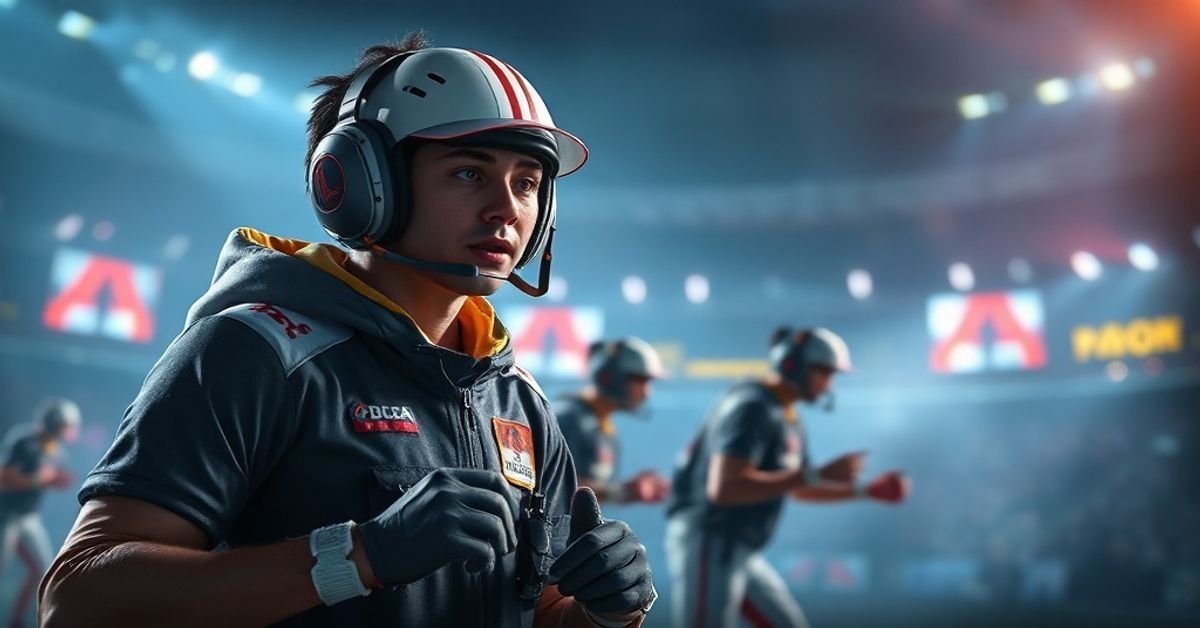
{"prompt":"esports news dualmedia professional blog featured image, high quality, photorealistic, editorial style","originalPrompt":"esports news dualmedia professional blog featured image, high quality, photorealistic, editorial style","width":1024,"height":576,"seed":42,"model":"flux","enhance":false,"negative_prompt":"undefined","nofeed":false,"safe":false,"quality":"medium","image":[],"transparent":false,"audio":true,"has_nsfw_concept":false,"concept":null,"trackingData":{"actualModel":"flux","usage":{"completionImageTokens":1,"totalTokenCount":1}}}
Most guides on esports news dualmedia get it wrong by treating gaming coverage like traditional sports reporting. They ignore the fast-paced, platform-driven nature of esports and fail to integrate video, live streams, and real-time updates. This outdated approach alienates a digitally native audience that craves immediacy and interactivity. The result? Declining engagement, lower traffic, and missed monetization opportunities. esports news dualmedia isn’t just about writing articles—it’s about creating a multimedia ecosystem where news, video, and community converge.
What Is esports news dualmedia and Why It Matters
esports news dualmedia refers to the integration of written journalism with dynamic media formats like video, podcasts, and live streams to cover competitive gaming. Unlike conventional sports news, esports audiences consume content across Twitch, YouTube, and social platforms—often in real time. A successful esports news dualmedia strategy leverages this behavior by delivering breaking news through short-form video clips, in-depth analysis via long-form articles, and community interaction through live Q&As. For example, reporting on a major League of Legends tournament isn’t complete without a highlight reel, player interviews, and a written recap. This dual approach ensures broader reach and deeper engagement. Platforms that master this blend—like Inkwavio’s esports coverage framework—see higher retention and stronger brand loyalty.
The Common Pitfalls in esports news dualmedia
Many content creators fall into predictable traps when building their esports news dualmedia presence. First, they rely too heavily on text-based reporting, ignoring the visual and interactive expectations of gamers. Second, they publish news after the event, missing the window when audiences are most engaged. Third, they fail to optimize for mobile, where over 70% of esports content is consumed. These mistakes lead to shallow coverage that doesn’t resonate. To avoid this, prioritize speed, format diversity, and platform-specific delivery. Use tools like OBS for live commentary and Canva for quick graphics. Also, consider how content distribution tactics can amplify your reach across Discord, TikTok, and Reddit.
How to Build a Winning esports news dualmedia Strategy
A successful esports news dualmedia strategy starts with understanding your audience’s habits. Gamers don’t just want news—they want context, drama, and personality. Here’s how to deliver it:
- Break news fast: Use Twitter/X and Instagram Stories for instant updates during tournaments.
- Pair articles with video: Embed highlight reels or analyst breakdowns directly into your posts.
- Engage live: Host Twitch streams during major events to discuss plays in real time.
- Leverage data: Use tools like Google Analytics and Twitch metrics to track what content performs best.
For instance, when Team Liquid wins a Valorant championship, publish a 60-second recap video within 10 minutes, followed by a detailed article with player stats and quotes. This layered approach satisfies both casual viewers and hardcore fans.
Tools and Platforms That Power esports news dualmedia
To execute a strong esports news dualmedia plan, you need the right tech stack. Start with content management systems like WordPress with video plugins for seamless publishing. Use OBS Studio for high-quality live streaming and Adobe Premiere Rush for quick video edits. For analytics, combine Google Analytics with platform-specific tools like YouTube Studio and Twitch Tracker. Don’t forget community platforms—Discord servers and Reddit AMAs help deepen fan relationships. External resources like Wikipedia’s esports overview provide historical context and legitimacy when covering major tournaments. These tools, when integrated, create a responsive, engaging news environment that keeps audiences coming back.
About the Author